Paint Sheen Comparison: Flat, Eggshell, Satin, Semi-Gloss
Quick answer: use eggshell for most walls, satin for kitchens and baths, semi-gloss for trim and doors, and flat for ceilings. Sheen is about durability and light, not color.
- Sheen at a glance
- Where each sheen goes
- Sheen & coverage
- Worked example
- Choosing by room
- Common mistakes
Sheen at a glance
Paint sheen is how shiny a finish is and how durable it gets. From lowest to highest: flat, eggshell, satin, semi-gloss, gloss. Higher sheen = more durable, more washable, but also more reflective — so it shows wall flaws. Lower sheen hides imperfections but is harder to clean.
Where each sheen goes
| Sheen | Best for |
|---|---|
| Flat / matte | Ceilings, low-traffic bedrooms, hiding flaws |
| Eggshell | Most living-room and bedroom walls |
| Satin | Kitchens, baths, kids' rooms, high-traffic halls |
| Semi-gloss | Trim, doors, cabinets, baseboards |
| Gloss | Accent pieces, some cabinetry — shows every flaw |
When in doubt, eggshell is the safe wall choice and semi-gloss the safe trim choice.
Sheen & coverage
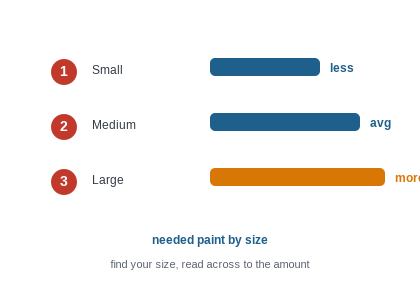
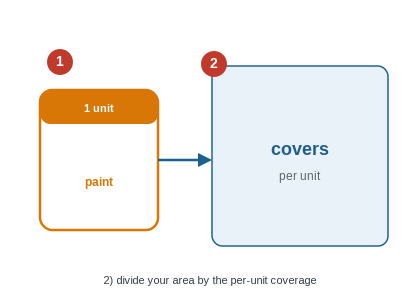
Higher sheens cover slightly less per coat and show roller marks more, so they often need an extra coat. They also reveal wall imperfections, which means more prep work on damaged walls. A gallon of paint covers roughly 350 sq ft per coat, but a high-gloss finish may stretch less and demand two coats where flat would do one.
Worked example
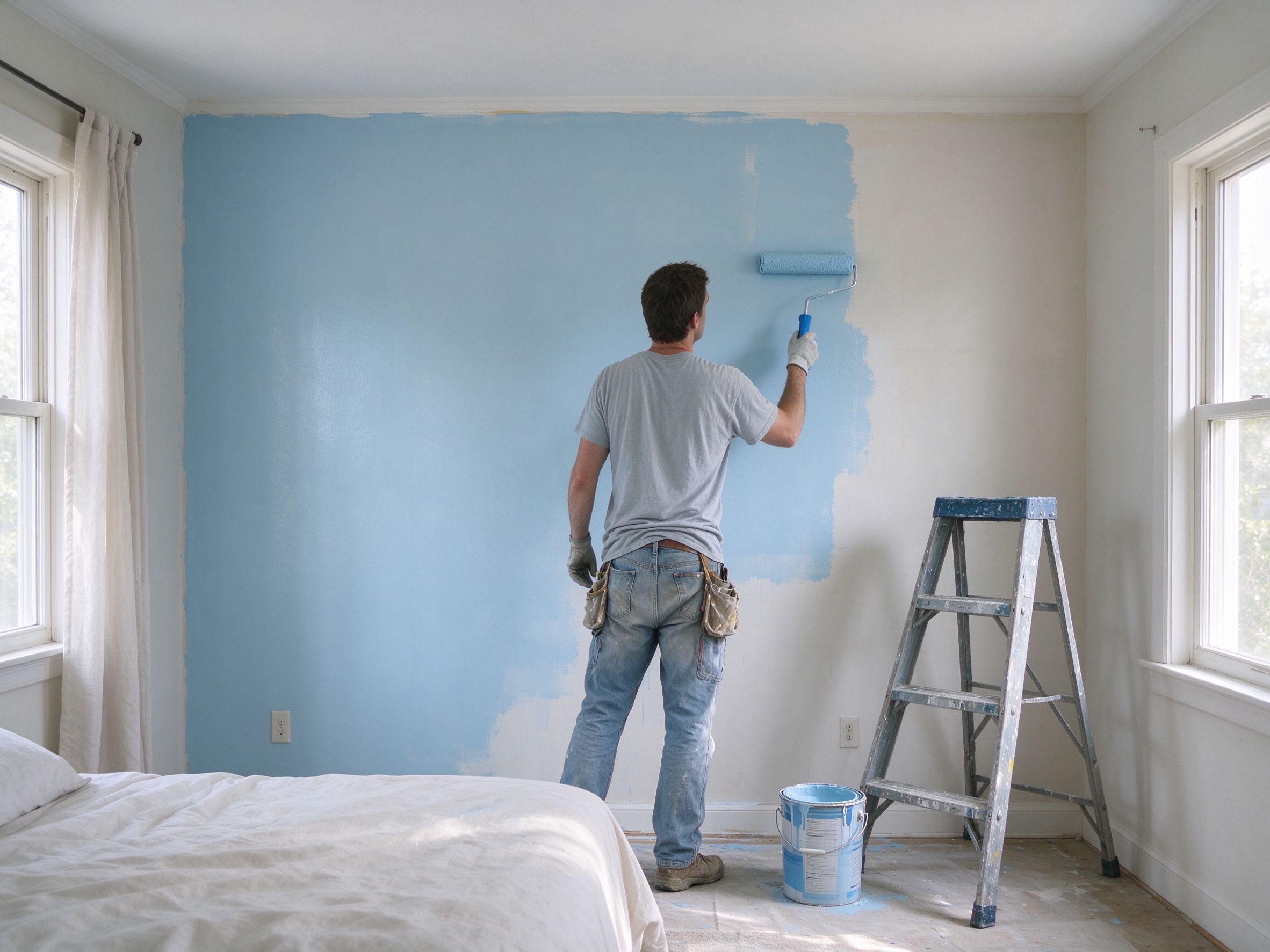
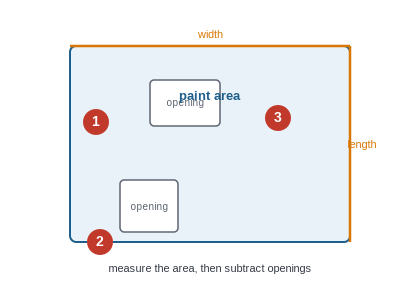
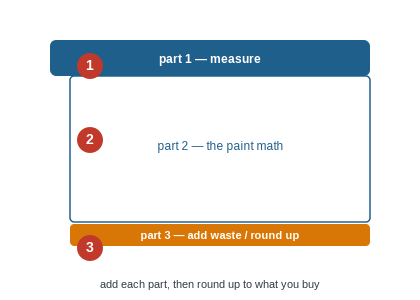
A 12×12 bedroom (walls about 380 sq ft with windows):
- Walls → eggshell, 2 coats ≈ 2 gallons
- Ceiling → flat, 1 coat ≈ 1 gallon
- Trim → semi-gloss, ≈ 1 gallon
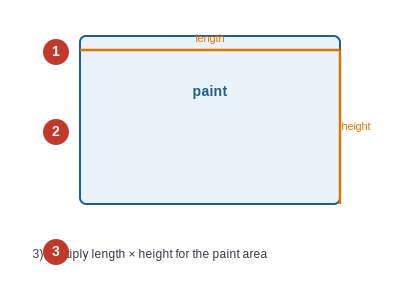
The paint calculator counts the wall area and coats for you.
Choosing by room
For busy rooms and kids' areas, choose satin or eggshell — they wipe clean. For a formal living room or master bedroom where you want a smooth, seamless wall, flat or eggshell. Match sheen to how much washing the wall will take, not just the look.
Common mistakes
- Gloss on damaged walls. It highlights every imperfection.
- Flat in the kitchen. It won't wash clean.
- Mixing sheens mid-wall. Touch-ups on higher sheens are visible.
- Forgetting prep. Higher sheens demand a smoother wall.
FAQ
Use flat or matte for low-traffic ceilings and bedrooms, eggshell for most living rooms and walls, satin for kitchens and baths, and semi-gloss for trim, doors, and cabinets.
Yes — glossy paints cover slightly less per coat and show roller marks more, often needing an extra coat. Higher sheens also hide surface flaws less, so walls need more prep.
Eggshell is the standard for most walls: low sheen, hides flaws, easy to touch up. Satin is more durable and washable, so it's better for kitchens, baths, and kids' rooms.
Semi-gloss is the standard for trim, doors, and cabinets — it's durable, washable, and reflects a bit of light. Gloss is even shinier but shows every flaw.