Sod vs Seed: Which Is Cheaper & Better for Your Lawn?
Quick answer: seed is far cheaper (about $0.01–0.02/sq ft) but takes 4–10 weeks to fill in; sod is instant (about $0.35–0.80/sq ft) but costs 10–40× more. Choose sod for slopes, erosion, or instant results; choose seed when budget and patience allow.
- Sod vs seed: head-to-head
- Upfront cost comparison
- Time to a full lawn
- When to choose sod
- When to choose seed
- Worked example
- FAQ
Sod vs seed: head-to-head
| Factor | Sod | Seed |
|---|---|---|
| Material cost / sq ft | $0.35–0.80 | $0.01–0.02 |
| Installed / full cost | $0.70–2.00 | $0.05–0.15 |
| Time to full lawn | Instant | 4–10 weeks |
| Erosion resistance | Immediate | Needs time; risky on slopes |
| Weeds in new lawn | Few | More, until turf is dense |
| Labor / prep | High (heavy, same-day install) | Moderate (spread + water) |
| Best for | Slopes, instant lawns, small yards | Big budgets, large yards, patience |
Upfront cost comparison
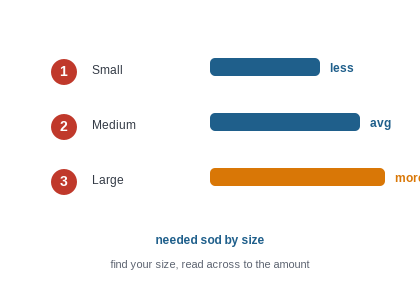
Seed is dramatically cheaper. A 2,000 sq ft lawn costs roughly:
- Sod: 2,000 sq ft × ~$0.50/sq ft = ~$1,000 in materials alone; installed often $1,400–$4,000.
- Seed: 2,000 sq ft × ~$0.015/sq ft = ~$30 in seed, plus a few dollars in starter fertilizer.
The sod price gap shrinks when you add labor and watering to seed, but sod is still several times more expensive. For a large yard, seed can save you thousands.
Time to a full lawn
This is the other big tradeoff. Sod gives you a usable lawn the day it's laid. Seed needs consistent moisture and patience: cool-season grasses sprout in 7–14 days and fill in over 3–8 weeks; warm-season grasses take 10–21 days to sprout. A full, walkable lawn usually means 4–10 weeks from seeding. If you have kids or pets waiting to use the yard, that's a long time.
When to choose sod
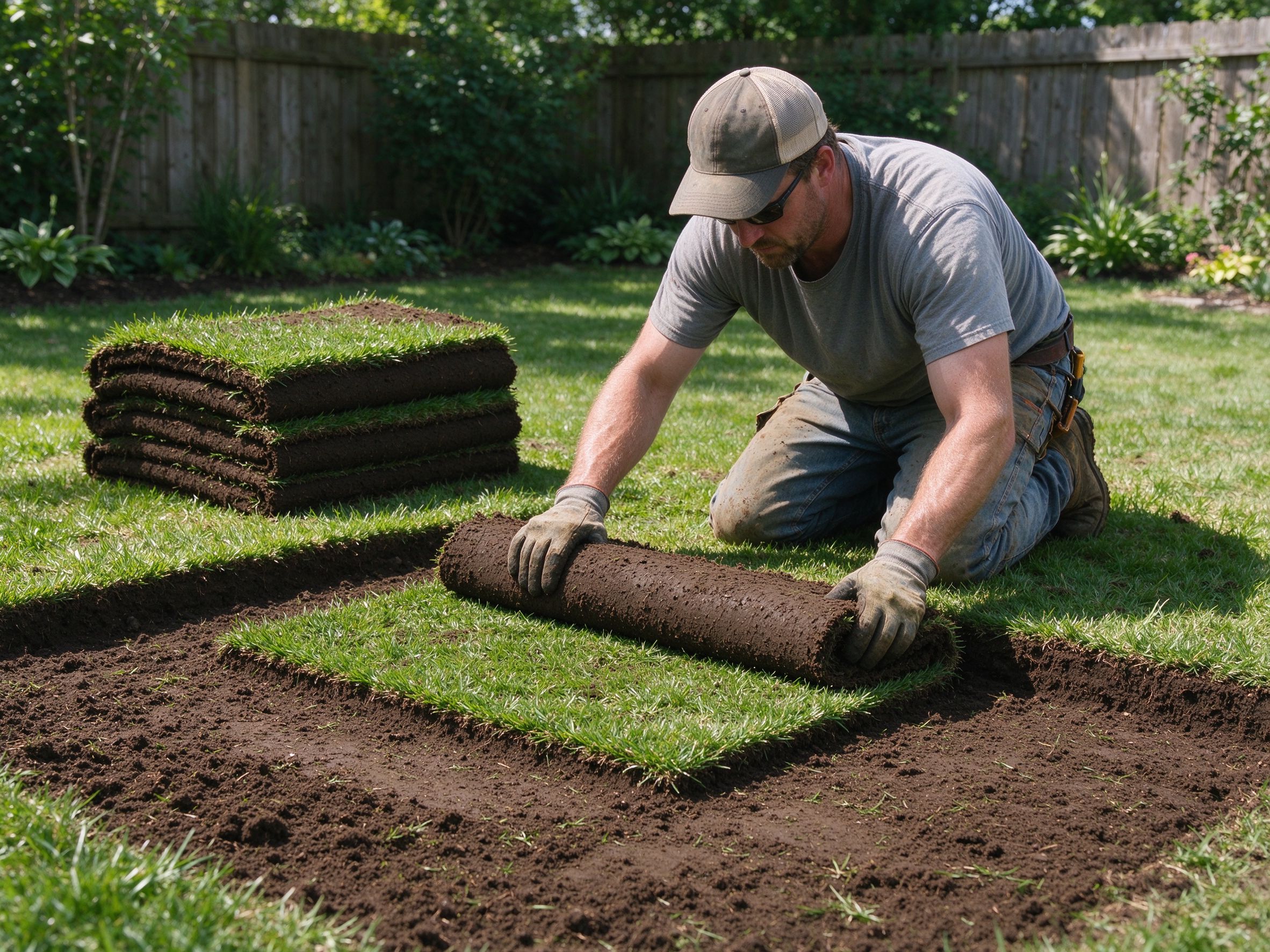
- You need an instant, usable lawn (event, sale, closing).
- The area is a slope where seed would wash away.
- Your region's short season makes seeding timing risky.
- You want to minimize weeds in the first year.
When to choose seed
- Budget matters most (large yards especially).
- You can wait 1–2 months for the lawn.
- You want to choose specific grass blends and overseed later.
- The area is flat and easy to water.
Worked example
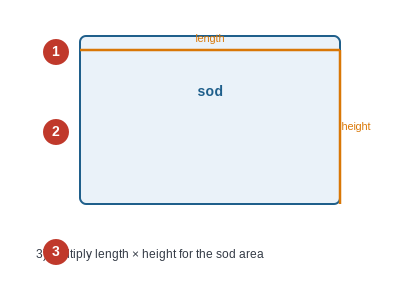
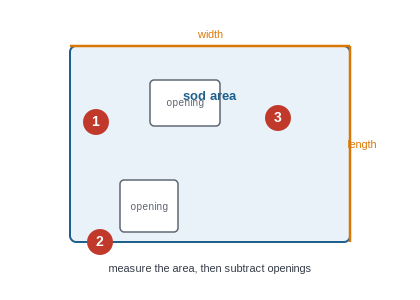
- Lawn = 40 × 50 = 2,000 sq ft
- Sod: ~$1,000 materials (or $1,400–$4,000 installed), ready today
- Seed: ~$30 materials + ~$20 prep/fertilizer, full lawn in 6–8 weeks
- Break-even thinking: if you can wait, seed is the clear budget win
FAQ
Seed is far cheaper upfront — about $0.01–0.02 per square foot for seed versus $0.35–0.80 per square foot for sod. But sod is instant and seed needs 3–8 weeks to establish.
Cool-season grasses usually sprout in 7–14 days and fill in over 3–8 weeks. Warm-season grasses sprout in 10–21 days. A full, walkable lawn typically takes 4–10 weeks depending on type and weather.
Choose sod when you need an instant, erosion-resistant lawn, when slopes would wash away seed, or when your climate/short season makes seeding risky. Choose seed when budget matters most and you can wait.
Yes, you can seed open areas and sod high-traffic or sloped patches, or overseed around new sod seams. Just keep both watered consistently until established.